History, Art, Civilisation
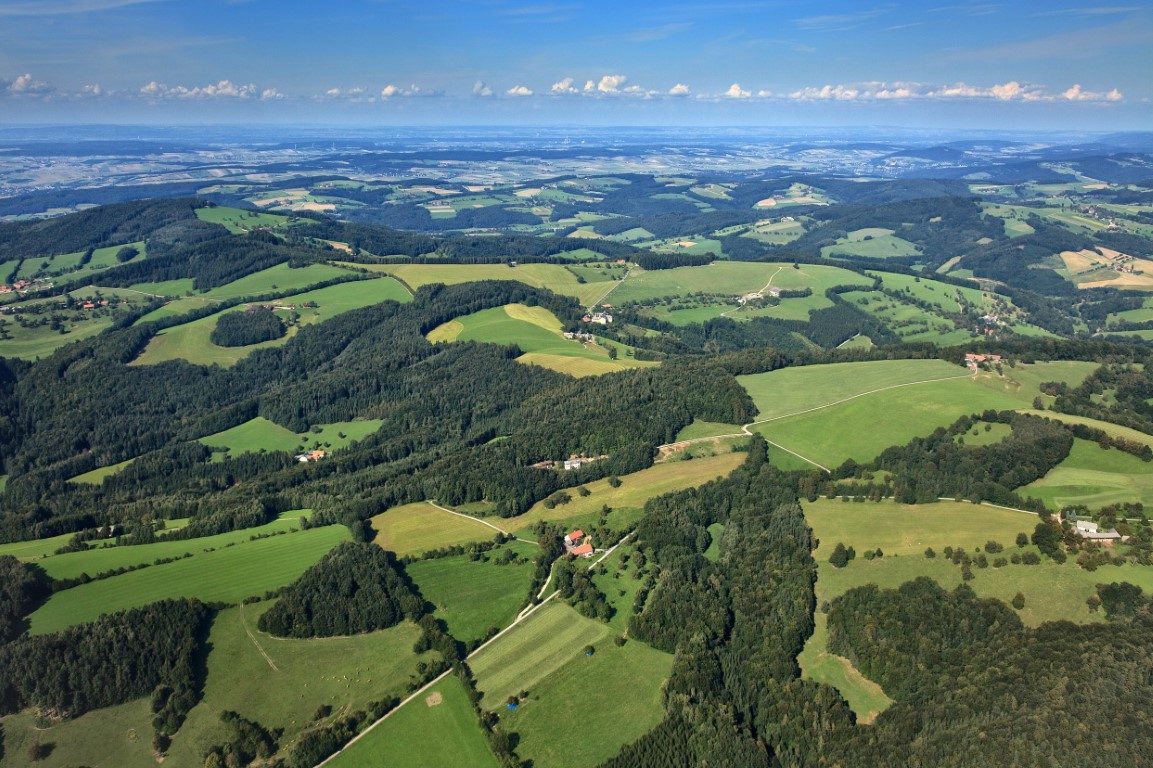
Austria is a small country in Central Europe. Those who have never travelled through Austria associate it only with Vienna and with its being the cradle of classical music. Even Vienna's fame generally goes little beyond the two sieges of Vienna that we know only superficially.
Although Austria was founded as a republic after the First World War, it is the official heir of the Holy Roman Empire. After all, apart from minor interruptions, Vienna served as the capital of the empire for nearly 600 years. Austria makes excellent use of this heritage for tourism.
Three quarters of the country is mountainous and Austria has some of Europe's largest forests; Austria is known less for its mountains and
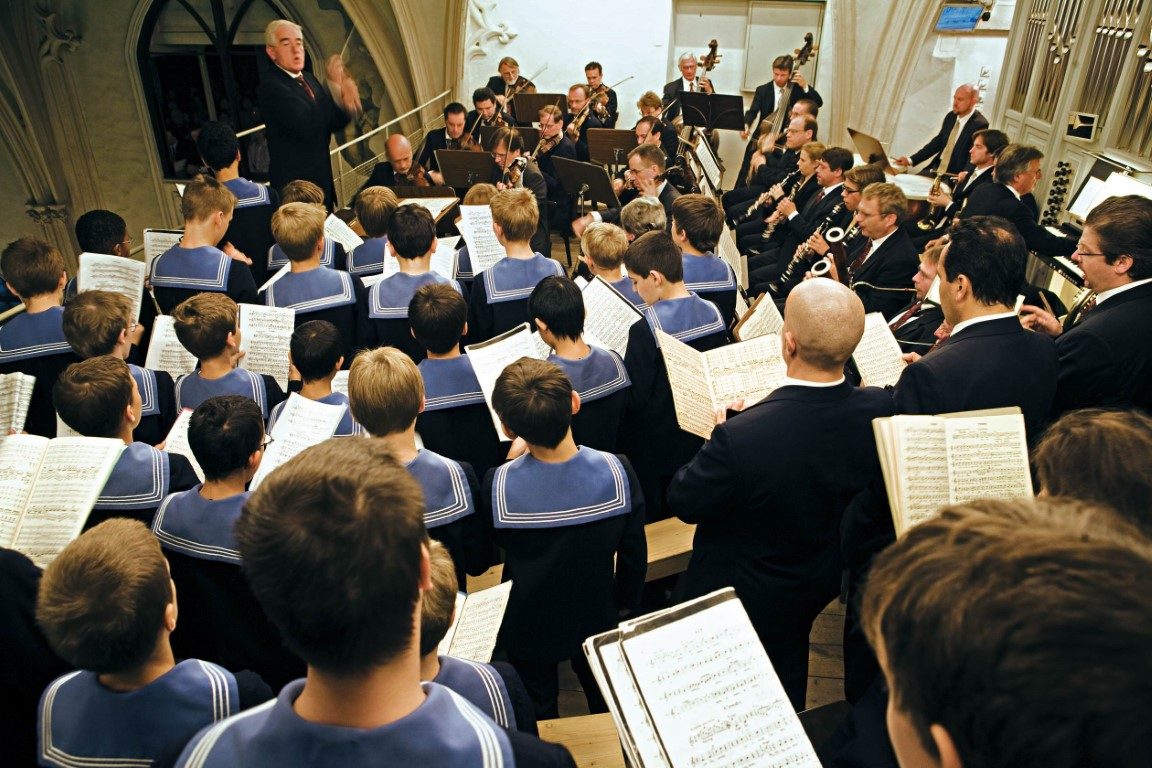
the beauty of its nature than for skiing, for its lake districts and for the cultural festivals held in its different cities. Salzburger Festspiele (Salzburg Festival), Bregenzer Festspiele (Bregenz Festival) — and you can come across a festival in almost every city and town. Even an old stone quarry hosts world-famous music, opera and theatre festivals.
Although it is a small country, the ethnic, folkloric and cultural differences in each of its provinces (Burgenland, Carinthia, Lower Austria, Upper Austria, Salzburg, Styria, Tyrol, Vorarlberg and Vienna) are great and impossible to miss. Settlement patterns, ways of life and even the built environment differ. Every city has its own beauty and charm. It is absolutely worth seeing.